
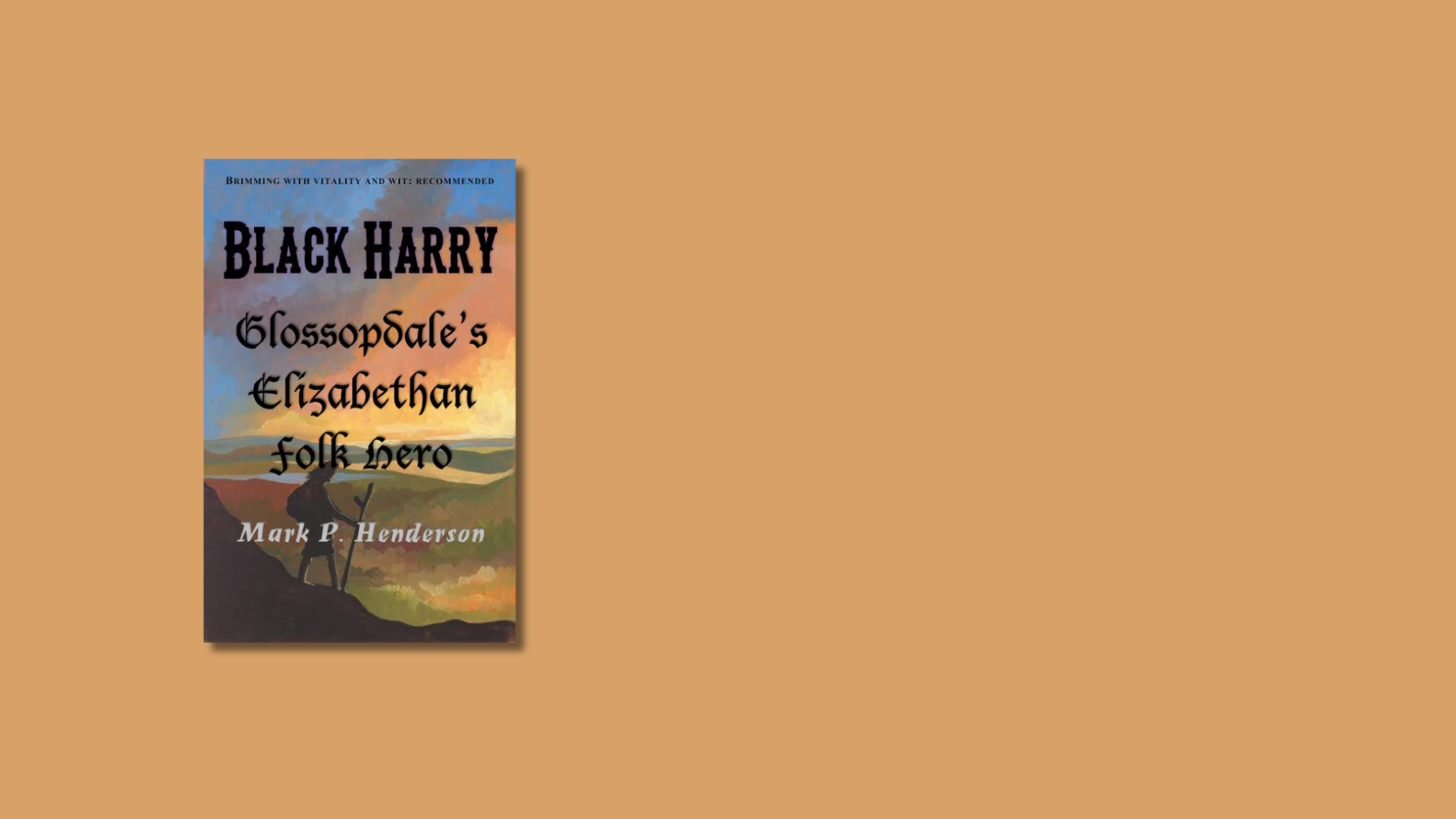
A Historical Novel by Mark P. Henderson

Anger started billowing like a winter storm around crowd of us. We could feel it, smell it, taste it. It lifted us up and carried us.
Glossopdale, Derbyshire, 1570s.
Tasked by Queen Elizabeth I to look after Mary, former ‘Queen of Scots’ – her cousin and essentially her prisoner – Earl Shrewsbury’s finances are put under strain, this significant undertaking adding to already high household expenses and an overall challenging economic situation in rural England. For this reason, his Receiver William Dickenson tries to persuade him that rents need increasing across all his estate, which does not sit well with the people of Glossop: the extortionate new rates proposed would mean being unable to survive, let alone live with dignity.
One man stands in the way of these controversial changes: ‘Black Harry’ Botham of Storth Farm. While he is well aware that the justice system won’t oppose these increases, given Lord Shrewsbury’s power and influence, he feels his and his fellow farmers’ grievances deserve to be heard, so he sets out for London – on foot – with other tenant farmers, determined to be heard by the Queen’s Privy Council. This huge undertaking will involve walking to the capital three times, in an ordeal that will last around seven years but will see them be granted fairer, more affordable rent increases:
[…] we ended up with rents as we could pay; and if what we’d done helped other folk in England get fair rents and all, well, happen we’d done God’s work while we were doing our own.
“Black Harry” is a delightful yet demanding read, a historical novel that is not for the faint-hearted.
The story is told by two alternating narrators: Harry’s brother-in-law and close friend Tom ‘Spiderlegs’ Booth and William Dickenson. The change in narrator is paired with the use of a different language: while Tom speaks the vernacular – something the reader gets familiar with fairly quickly, to the point that it is no longer challenging to understand – and in first person, Dickenson speaks a more familiar English, his side of the story told in third person. While this could be considered a bold choice, it is totally in keeping with the ‘spirit’ of the book, to the point that one cannot help but wonder if Henderson deliberately sacrificed his potential for commercial success in favour of what appears to be essentially an ‘exercise in style’. The level of skill with which the author is able to give a voice to the concerns and challenges faced by ‘the common men’ around their living conditions is impressive. What is even more impressive is that this is done organically through dialogue alone: exposition does not belong to this book, something that makes it particularly special, as it prevents it from becoming a lengthy, pedantic lecture on Elizabethan England. Credit to Henderson for his extensive knowledge of this historical period (backed up by years of research, surely) and the huge amount of information on events, politics, culture, as well as beliefs and folklore he managed to pack in the book, also a sign of acute (and maybe ruthless?) editing, to create the best work possible.
In terms of character development, I preferred Tom Booth and his child-like attitude and view of the world to Harry’s feisty and somehow ‘shady’ nature, which however does not take away from his remarkable achievements as a leader; Tom is his complete opposite (his faith in Harry unshakeable), the epitome of the ‘simple man’, but meant in the kindest way. The book contains a number of descriptive moments that are nothing but little gems, such as Tom’s thoughts when he is in front of the Privy Council for the first time and instead of concentrating on how crucial this moment is for him and his companions, he notices how, despite the council members’ higher position in society, they have ‘black teeth and foul breath’, while people like him, of a lower status, might be missing a few teeth, but they are white and healthy. There are no heroes or villains in Henderson’s recount, and the story maintains an enjoyable balance between historical accuracy and fictional aspects throughout.
If you are looking for an impeccably written historical novel, this book is for you. As a fan of the genre myself though, I advise you to take your time and enjoy the journey: this is not a book you should read in a weekend if you want to appreciate all its nuances. Do hold on to it for as long as it takes, it won’t disappoint.
“Black Harry” is available for purchase at: https://bit.ly/3WOYB2Q




Leave a Reply